Canada’s Biometrics Screening Program Expansion
Source: Immigration, Refugees and Citizenship Canada
News Release Overview
As of July 31, 2018, nationals from Europe, Africa, and the Middle East must provide biometrics—fingerprints and a photo—when applying for a Canadian visitor visa, work or study permit, or permanent residence. This initiative ensures the safety and security of Canadians while maintaining the integrity of the immigration system.
Enhancing Secure Travel to Canada
Biometric identification has supported Canada’s immigration screening for over 20 years. The current expansion requires biometrics from various applicants, including those seeking temporary or permanent residency. This measure helps confirm identities and streamline border procedures.
Streamlining Border Security
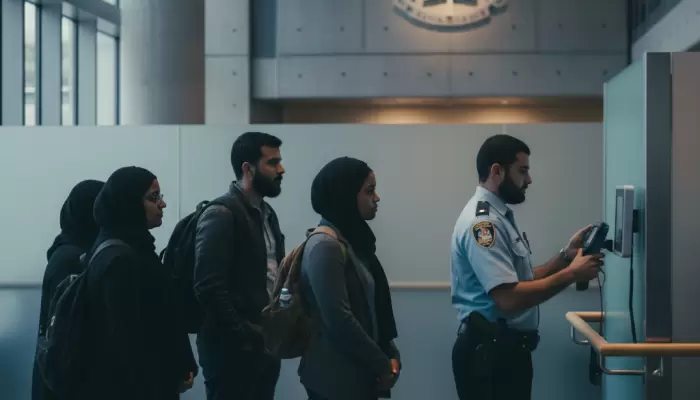
Using biometrics, border service officers can efficiently verify identities at major entry points. This process facilitates smoother travel experiences for legitimate travellers while safeguarding against security threats.
Temporary residents now only need to provide biometrics once every 10 years. Furthermore, Canada is expanding its Visa Application Centres (VACs) to enhance accessibility, with at least 157 VACs expected in 105 countries by November 2019.
International Cooperation and Biometric Use
Biometric programs are adopted by over 70 countries, including Canada’s Migration 5 partners—the UK, Australia, the USA, and New Zealand. This collaboration reinforces global security measures and facilitates information sharing.
Official Statements
“Canada welcomes millions of visitors annually, understanding the vital role of immigration for economic and social prosperity. By broadening the biometrics program, we secure our borders while easing entry processes.” – The Honourable Ahmed Hussen, Minister of Immigration, Refugees and Citizenship
“Biometrics are crucial for authenticating travellers’ identities. Our officers can verify fingerprints at 57 entry points, which streamlines entry and identifies potential security risks.” – The Honourable Ralph Goodale, Minister of Public Safety and Emergency Preparedness
“Since 1993, Canada has utilized biometrics for asylum claimants and other applicants. Expanding this requirement strengthens border security and deters fraudulent claims.” – The Honourable Bill Blair, Minister of Border Security and Organized Crime Reduction
Key Facts
- Biometrics:
- Involves unique physical data like fingerprints and facial photos.
- Collected from asylum seekers since 1993 and various applicants since 2013.
- Expansion Components:
- Collection: Biometrics required from most foreign nationals, excluding U.S. citizens, applying for temporary or permanent residency.
- Verification: Fingerprint checks at major entry points.
- Information-sharing: Enhanced sharing with the U.S. and Migration 5 partners.
- Exemptions:
- Canadian citizens and permanent residents, and certain officials and children.
Associated Links
Contact Information
Media Contacts
Mathieu Genest, Minister’s Office, Immigration, Refugees and Citizenship Canada
613-954-1064
Media Relations
Communications Branch, Immigration, Refugees and Citizenship Canada
613-952-1650
IRCC.COMMMediaRelations-RelationsmediasCOMM.IRCC@cic.gc.ca
FAQs About Biometrics in Canada’s Immigration
What are biometrics and why are they important?
Biometrics involve collecting unique physical characteristics, such as fingerprints and facial photos, to verify an individual’s identity, enhancing immigration security.
Who is required to provide biometrics?
Most foreign nationals applying for temporary or permanent residency in Canada, excluding U.S. citizens and certain exempted individuals, must provide biometrics.
How often do I need to provide my biometrics?
Temporary residents only need to submit biometrics once every 10 years, while permanent residence applicants must provide them with each application.
Where can I submit my biometrics?
Applicants can submit biometrics at Visa Application Centres globally and Application Support Centers in the U.S. Read our immigration guide.
Are there any exemptions to the biometrics requirement?
Exemptions include Canadian citizens, current permanent residents, and certain officials and diplomats.