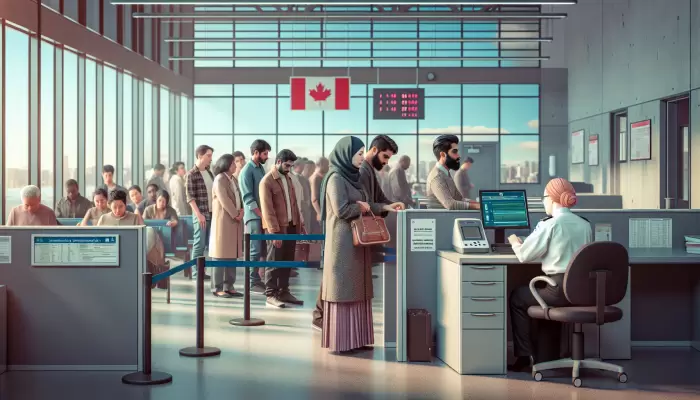
Facilitating Travel to Canada While Ensuring Safety
From: Immigration, Refugees and Citizenship Canada
Introduction to Canada’s Immigration and Biometrics
Canada is a popular destination, boasting one of the highest immigration rates worldwide. Establishing the identity of immigrants is crucial for decision-making and public safety. For over two decades, biometrics, including fingerprints and photos, have been integral to Canada’s immigration processes.
Expanding Canada’s Biometrics Program
New Developments and Public Consultation
In 2018, Canada aimed to extend its biometrics program to include all foreign nationals applying for visitor visas, study or work permits (excluding U.S. nationals), and those seeking permanent residency. This expansion helps in processing legitimate travellers and preventing identity fraud, thereby maintaining national safety.
Currently, biometrics are collected from in-Canada asylum seekers, overseas refugee applicants, individuals ordered for removal, and citizens from 30 nationalities visiting temporarily. Broadening the program enhances immigration screening through biometric collection, verification, and information-sharing with global partners.
The expansion includes new biometric requirements, a broader service network, and automated fingerprint checks at entry points, set to be implemented over 2018-2019. A public consultation from April 7 to May 6, 2018, invites feedback on these regulations, accessible once published in the Canada Gazette, Part I. For more details, visit canada.ca/biometrics.
Key Quotes on Biometrics
“Each year, Canada welcomes millions of visitors and accepts hundreds of thousands of students, workers, and permanent residents. Canadians recognize immigration’s importance to the country’s economic and social well-being. By expanding our biometrics program, we facilitate entry into Canada and protect the integrity of our immigration system, by quickly and accurately establishing a traveller’s identity. A key feature of biometrics expansion is that temporary residents will only have to provide their biometrics once every 10 years.”
– The Honourable Ahmed Hussen, Minister of Immigration, Refugees and Citizenship
“Biometrics screening helps keep Canadians safe. The collection and verification of biometrics, along with criminal and immigration screening and biometric-based information-sharing, will help prevent identity fraud, identify those who pose a security risk and stop known criminals from entering Canada.”
– The Honourable Ralph Goodale, Minister of Public Safety and Emergency Preparedness
Quick Facts about Biometrics
Biometrics:
- Measure unique physical traits.
- Include fingerprints and facial photos for Canadian immigration.
The expansion project includes three main components:
- Collection: Biometrics from foreign nationals (excluding U.S. nationals) applying for various permits and all permanent residency applicants.
- Verification: Fingerprint verification at major airports and other entry points for travellers who have provided biometrics.
- Information-sharing: Enhanced biometric information exchange between Canada and the U.S. and other Migration 5 partners: Australia, the UK, and New Zealand.
Biometrics are currently collected from:
- In-Canada asylum claimants and overseas refugee applicants.
- Individuals ordered for removal.
- Since 2013, 30 nationalities applying for temporary resident visas, work permits, or study permits.
Exemptions to biometrics include:
- Canadian citizens, citizenship applicants, or permanent residents.
- Children under 14 and applicants over 79 (except asylum claimants).
- Visa-exempt tourists with valid electronic travel authorizations (eTAs).
- Heads of state, government officials, and accredited diplomats on official business.
- U.S. visa holders transiting through Canada.
- Refugee claimants or protected persons who have previously provided biometrics and are applying for study or work permits.
- Temporary residents who have provided biometrics for ongoing permanent residency applications.
Associated Links
Contact Information
Contacts for media only
Hursh Jaswal
Minister’s Office
Immigration, Refugees and Citizenship Canada
613-954-1064
Media Relations
Communications Branch
Immigration, Refugees and Citizenship Canada
613-952-1650
IRCC.COMMMediaRelations-RelationsmediasCOMM.IRCC@cic.gc.ca